
An Ancient Daoist Text Already Explained Elon Musk's "First Principles"
October 2, 2026
How much of your attention, today, actually belonged to you?
Most people have never really answered that question. The Yinfu Jing (阴符经) has — in a text so short it barely fills a page. Four hundred-odd characters, traditionally credited to the Yellow Emperor, though most scholars place the actual writing centuries later, somewhere around the Tang dynasty. I read it for the first time and understood almost none of it. It took going back through it slowly, then checking it against how a few people who actually built something real seem to operate, before it clicked: this isn’t mysticism. It’s a method for taking your attention, your energy, and your focus back from whatever currently has hold of them. Three steps, no more.
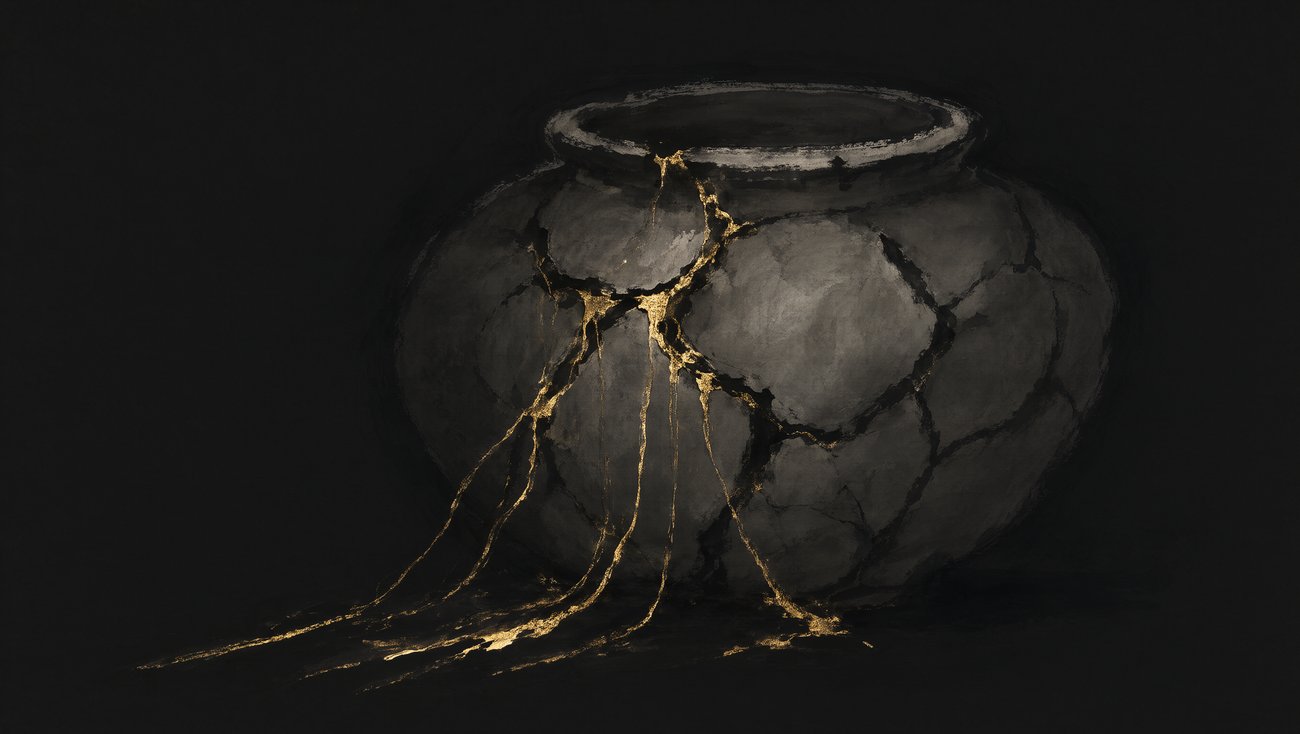
The first leak: five senses that never stop taking
“Heaven has five thieves; the one who sees them prospers.” Commentators have read “the five thieves” differently over the centuries. The reading I trust is the simplest one: eyes, ears, mouth, nose, tongue. Five everyday openings. Your eyes pinned to a feed that never ends. Your ears filled with noise you didn’t choose. Your mouth chasing a craving. Your nose drawn toward a smell. Your tongue led around by taste. None of the five is the problem on its own — the problem is that none of them knows how to stop. They don’t wait for permission. The moment you’re awake, something is leaking out through one of them, and most of it leaks out before you ever notice it’s gone.
The moment you pick up your phone, your time already isn’t fully yours anymore. Most people lose more real attention to these five openings in a single day than they ever spend on something that actually matters. Seeing that clearly is the whole first step — not because seeing it fixes anything by itself, but because you can’t stop a leak you’ve never located.
The second step: the stillness that refills you
Once the leak is under control, the next move is to refill. There’s no shortcut here, and no app does it for you — it’s just actually going quiet. Not scrolling and calling it rest. Ears not listening to anything. Eyes not tracking anything. Mind not turning anything over.
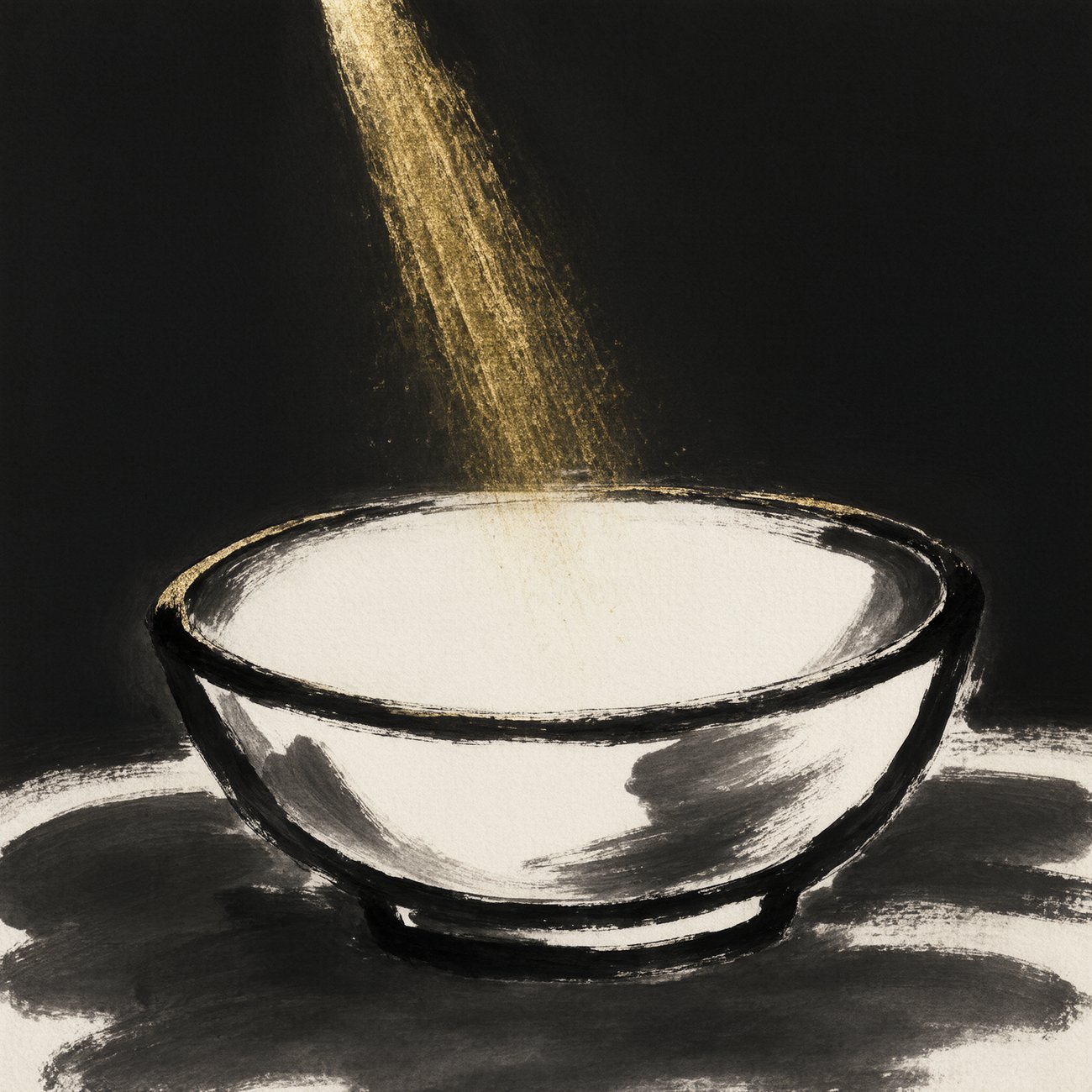
This is the same idea behind “building potential” in qigong and standing-post practice: the less you push outward, the more comes back in. What most people are missing isn’t a technique. It’s the simple capacity to do nothing on purpose. Sit most people down in real silence and the discomfort shows up almost immediately — the hand reaches for the phone before the mind even registers why. That’s not an inability to relax. That’s a body that’s been leaking for so long it forgot what being full feels like.
The third step: a clear thought is the only real lever
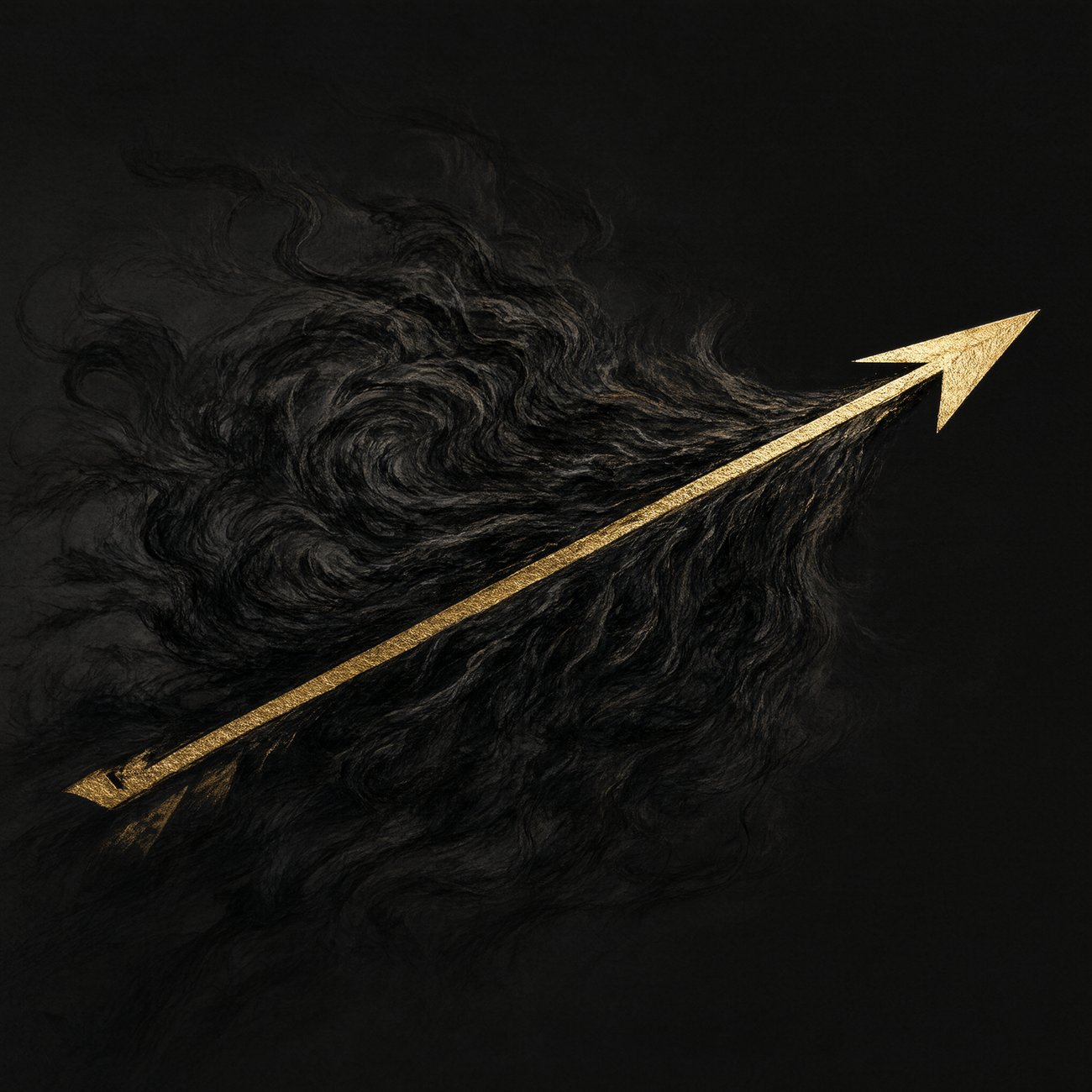
The first two steps are defense. This one is offense. “Use intention to turn back the workings of heaven” — once the leaking has stopped and something has actually been rebuilt, a single clear, steady thought carries real weight. This isn’t telekinesis dressed up in old language. It’s a plainer fact than that: someone who can’t hold their own attention for five minutes was never going to pull off anything genuinely difficult. A clear thought is what makes the next action land where it’s supposed to.
What’s interesting is that none of this is exclusive to Daoism. Kazuo Inamori took over Japan Airlines in his late seventies, with zero background in aviation, during one of the largest corporate bankruptcies in Japanese history. The phrase he kept coming back to was “follow the will of the universe” — get your own thinking straight first, and the rest tends to follow. Elon Musk’s “first principles” runs on the same logic: clear out every borrowed conclusion, get down to what’s actually true at the bottom, and build back up from there. Steve Jobs was devoted to Zen practice and said more than once that his decisions came from intuition, not from a stack of analysis. None of the three likely ever opened the Yinfu Jing. What they were doing lines up with it anyway — not because the text is magic, but because stopping the leak, rebuilding what was lost, and then moving on a clear thought is just the actual order operations have to happen in, for anything hard.
So “practice,” as I understand it, was never about disappearing into the mountains. The real version is staying in exactly the noise — an era more saturated with information than any before it, running algorithms built specifically to hold a few more minutes of your day — and still keeping hold of what’s yours.
The Yinfu Jing closes with a line I keep coming back to: “The way of heaven and earth moves by soaking in, not by force — and that is how yin and yang prevail. They push against each other, and change follows naturally.” Stripped down, it’s saying something plain: real change was never about pushing harder. It’s about getting the direction and the timing right first.
Your attention, your time, your mood — something is taking all three from you every day, and it was never going to hand any of it back on its own. See the five thieves first. Rebuild the stillness they’ve been draining. Then take back what’s yours with a thought clear enough to actually move something. That’s the law the Yinfu Jing left me with, and it’s the one that’s held up the longest.