
The Beginner Qigong Stance That Can Quietly Backfire
September 19, 2026
Search “qigong for beginners” and you’ll land on the same stance again and again: standing with the arms curved in front of the chest, as if holding a large invisible ball. It’s the image most people picture when they picture qigong at all. It’s also, in my experience, not where a true beginner should start.
The stance itself has a name — Hunyuan Zhuang (混元樁), the ball-holding post. There’s nothing wrong with it. It’s a real, legitimate part of internal training, and plenty of people practice it for years without issue. The problem isn’t the posture. It’s the order.
Why arms-up isn’t actually the easy version
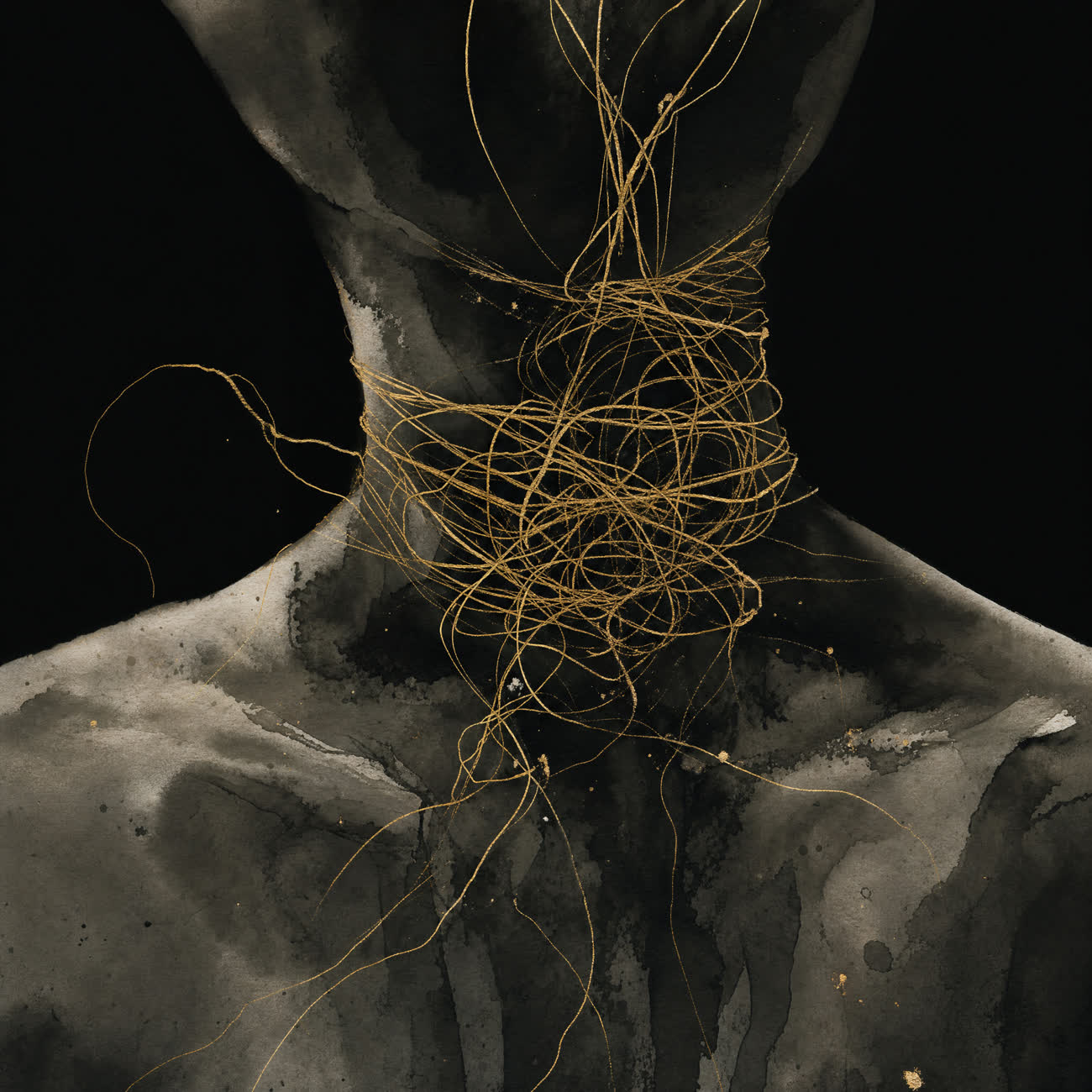
Holding the arms up in front of the chest asks something specific of the body: it draws attention, and with it a little qi, upward into the chest and shoulders. That’s fine once the middle and lower body are already open — once the hips, waist and legs have had some real time to loosen and qi has a clear path back down. For someone standing that way in their first week, that path usually isn’t open yet.
What tends to happen instead is that qi collects in the upper-middle part of the body with nowhere to go. Over time it drifts higher still, toward the head. The result isn’t dramatic — it’s a cluster of small, easy-to-dismiss things: a bit of dizziness, restless sleep, hands and feet that stay cold no matter the room temperature. None of it feels like an emergency, which is exactly why people rarely connect it back to the stance they’ve been practicing every morning. This isn’t rare. It’s a pattern I’ve seen often enough in beginners standing that posture that it’s worth saying plainly, not hedging around.
The plainer stance that’s actually the safer start
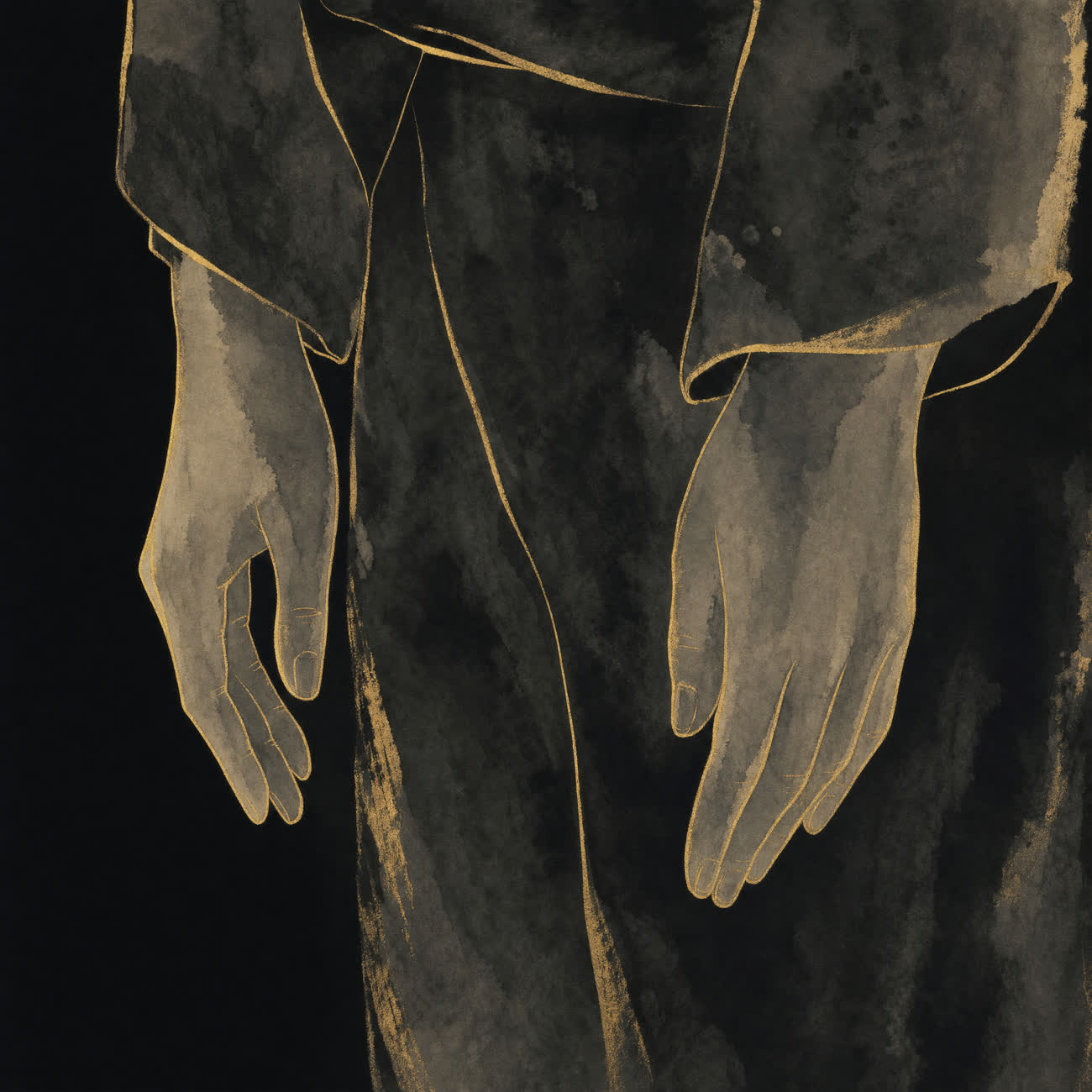
The alternative is Wuji Zhuang (無極樁) — sometimes called Song Jing Zhuang, the “loose and still” post. The arms do nothing interesting at all. They hang naturally at the sides, palms resting lightly against the outside of the thighs. No shape to hold, no ball to imagine, nothing drawing energy anywhere in particular.
That plainness is the entire point. With nothing pulling attention or qi upward, there’s no route for it to stall in the chest and back up toward the head. It’s not the more powerful of the two postures — arms-up training does things this one doesn’t. But for someone whose lower body hasn’t opened yet, “less powerful and unlikely to cause a problem” beats “more powerful and prone to backfiring” every time.
There’s a smaller benefit too, easy to overlook: with no visualization to hold and no shape to maintain, it’s genuinely difficult to do wrong. Most of the ways people injure themselves in qigong come from getting an instruction subtly wrong and compounding it session after session. Take away the instruction, and you take away most of the ways to get it wrong along with it.
What to actually do with this
If you’re new to standing practice, start with the arms-at-sides version, not the ball-holding one — regardless of which one shows up first in whatever tutorial you found. Give the lower body real time to loosen before adding anything to the arms. I’ve written up the full posture in detail — foot placement, knee angle, where the weight should sit, what the breath should be doing — in the free standing meditation guide, along with what changes over the first hundred days once you’re actually consistent with it.
And if you’ve already been standing the ball-holding way for a while and recognize some of this — the cold hands, the sleep that isn’t quite settling — it’s not a sign you’re broken or doing something exotic wrong. It usually just means the order got reversed. Drop back to the plainer stance for a stretch, let the lower body catch up, and the arms-up version will still be there when it’s actually time for it.