Breathing Exercises for Anxiety That Chinese Medicine Splits Into Two Different Problems
Published September 26, 2026
Anxiety doesn’t feel the same in every body. For some people it sits low and tight — jaw clenched, shoulders up near the ears, a restlessness that won’t let them sit still even after whatever set it off is long gone. For others it sits higher, right behind the sternum: a fast, unsettled hum that keeps the mind circling the same three thoughts at two in the morning. Most breathing advice treats these as the same problem and hands out the same fix — in for four, hold for four, out for four. Chinese medicine has never treated them as the same problem.
Two organs, two different kinds of anxious
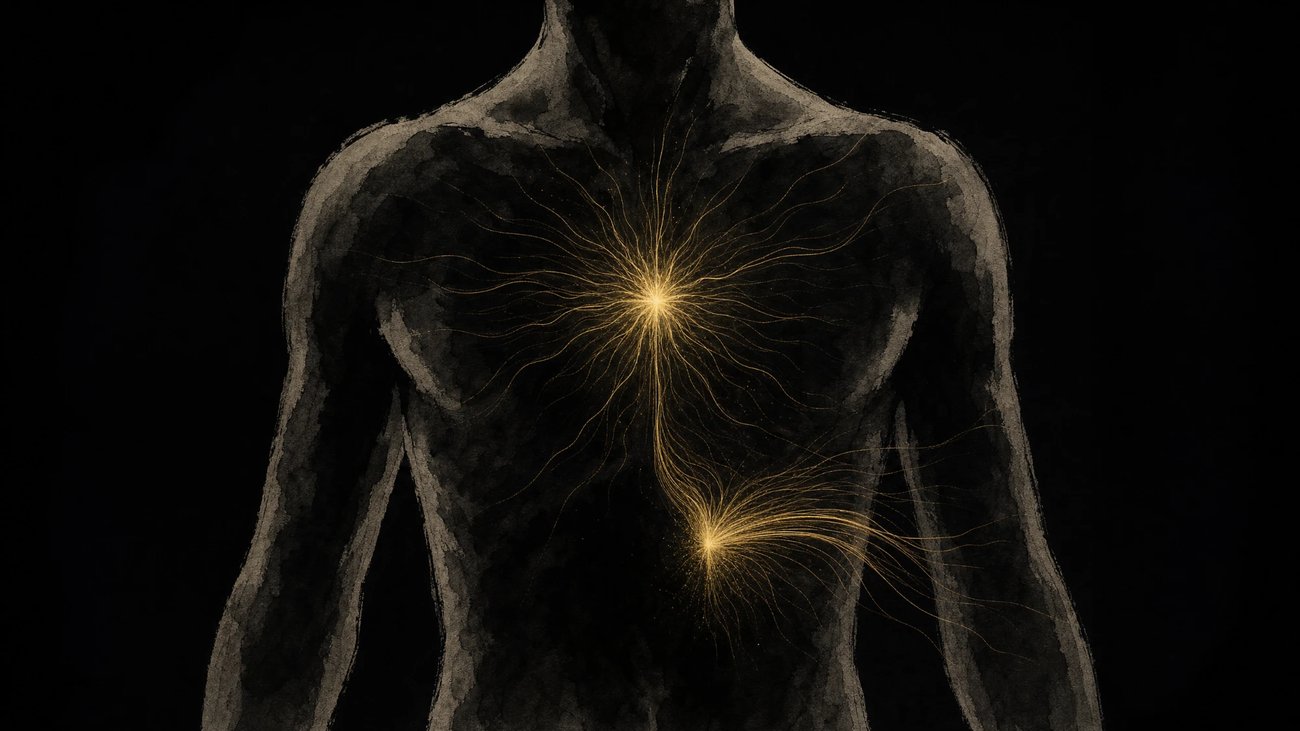
The tight, wound-up version traces back to the Liver. The Liver’s job, in this framework, is keeping qi moving smoothly through the body — the way a river needs open banks to flow. Dam that up with a swallowed argument, a deadline you can’t control, a decision you keep circling, and the backed-up qi shows itself as tension: a clenched jaw, a tight chest, a short fuse, the physical inability to sit still.
The racing-mind version traces back to the Heart. The Heart doesn’t just pump blood here — it’s said to house the Shen, the part of you that stays clear and settled. Disturb it with worry, with too many bad nights of sleep, with a mind that won’t stop rehearsing, and the Shen comes loose. That’s the version that shows up as a fast heartbeat, restlessness, a kind of internal static that won’t let you land on anything.
Neither is more “real” than the other, and most people who deal with anxiety regularly recognize both — just on different days.
Where this actually comes from
The practice for it is called Liù Zì Jué, the Six Healing Sounds, and it’s old enough that pinning down exactly when it started is hard. The earliest written mention sits in a text on nurturing health and extending life attributed to Tao Hongjing, a physician and Daoist scholar who lived from 456 to 536 AD and led the Maoshan school of Daoism. Buddhist monks and generations of Chinese medicine doctors kept adapting it after that — which is normal for a practice this old; it wasn’t handed down once and frozen in place. In 2003, China’s national sports administration worked with linguists to standardize a modern version, and that’s the version most schools teach today.
Each of the six sounds pairs with an organ — one for the Liver, one for the Heart, and four more for the Spleen, Lungs, Kidneys, and Triple Burner. You only need two of them here: Xu (嘘) for the tight, wound-up version, and He (呵) for the racing-mind version.
The mechanics, once, for both
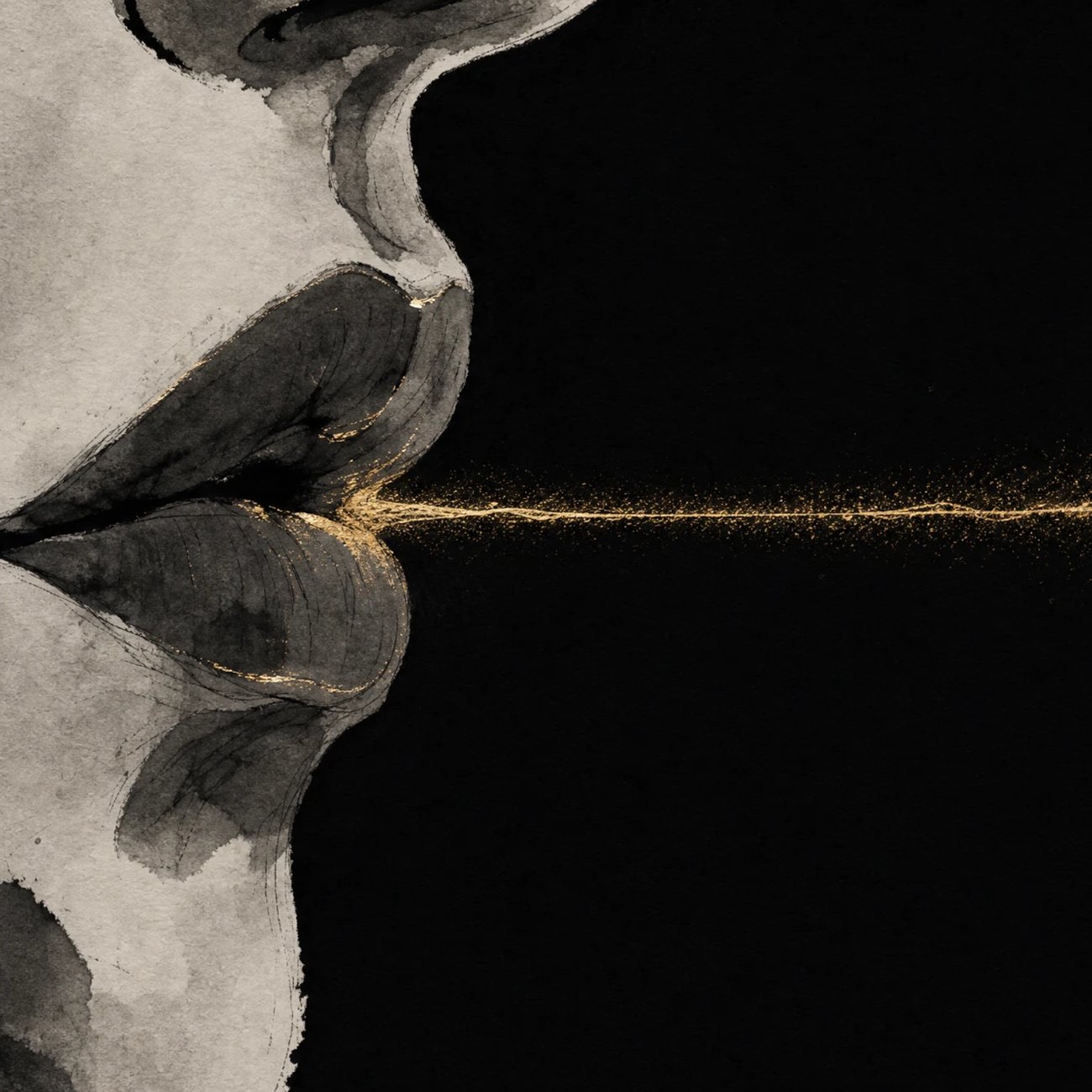
Both sounds ride on the same underlying breath. Inhale through your nose with your mouth closed and your tongue resting lightly against the roof of your mouth, letting your belly expand rather than your chest. Then open your mouth and exhale slowly while softly voicing the sound, drawing your lower belly in as the air leaves. You’re not saying the sound out loud so much as breathing it — just above silent.
Xu (嘘) — for the tight, wound-up version
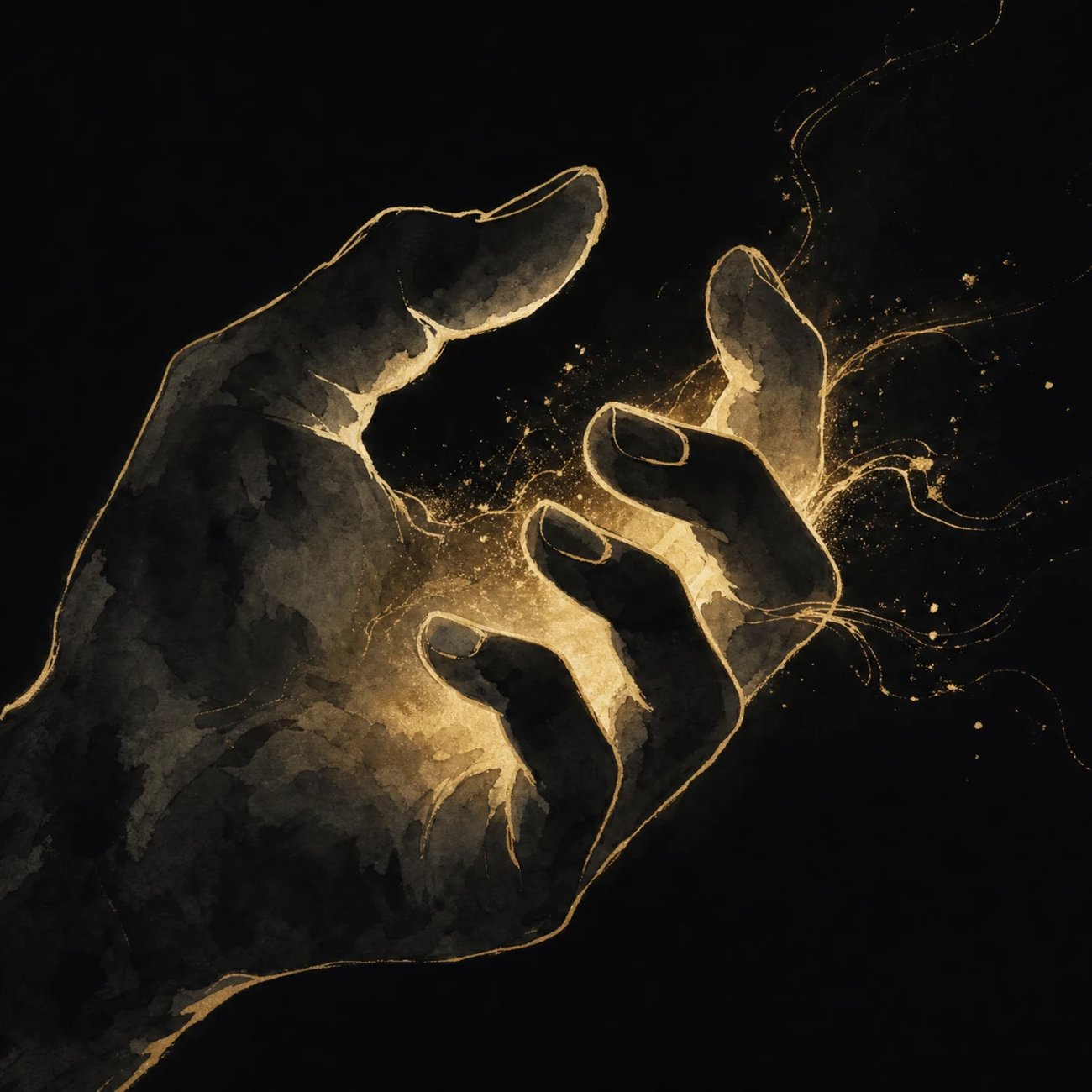
Shape your mouth like you’re saying “shh,” lips slightly rounded, corners drawn back. Let the sound leave in a thin, steady stream as you exhale, like you’re easing tension out through a small opening rather than blowing it all out at once. Some traditions pair this with slowly opening the hands from loose fists, as though you’re physically releasing whatever your jaw and shoulders have been holding onto.
Reach for this one when you can feel the tightness before you can even name the thought behind it — clenched jaw, tension across the top of your shoulders, the urge to pace.
He (呵) — for the racing-mind version
Open your mouth wider, into the shape of a soft, relaxed “haaa” — the sound people make when something is genuinely endearing, not forced. Let your tongue rest gently behind your lower teeth. Let the exhale come out unhurried, like a sigh you’re not holding back.
Reach for this one when tightness isn’t really the problem — when it’s your thoughts that won’t stop circling, or your heart that feels like it’s running ahead of you.
How many, how often
Six to eight rounds of whichever sound matches what you’re feeling is enough for one sitting. You’re not working toward a set number — you’re checking in with your body between rounds and stopping once something has actually shifted. If you can’t tell which one you’re in, doing both sounds back to back is a reasonable way to start, until you learn to recognize the difference for yourself.
This isn’t a cure, and it won’t switch off a real panic response instantly. It’s a way of giving your body something specific to do instead of just “breathing deeply” and hoping that helps. If anxiety is frequent, severe, or getting in the way of daily life, that’s worth bringing to a doctor or therapist alongside anything you practice here.
If this is more of a daily thing
A few rounds during a hard moment is one thing. If tension or a racing mind feels more like a baseline than an occasional visitor, the breath and posture work in Wuji standing meditation is the slower, steadier version of the same idea — training the nervous system to default toward settled, instead of reaching for a fix only once things have already spiked. It’s free to start with.
This is a compilation of Traditional Chinese Medicine concepts and general breathing technique, offered for educational and self-care purposes — not a medical diagnosis or treatment. If anxiety is significant, persistent, or affecting your daily life, please talk to a doctor or mental health professional.